


Company profile
Welcome to TOPIND Family. Shanxi Top Industries Co., Ltd. was established in 2012, is a professional outdoor camping item ,fishing gear company. Since the establishment of our company, our main products are hammocks, hanging chairs, swings, tents, car cover, sleeping bags and other outdoor tourism supplies, as well as fishing gear supplies such as fish hooks, fishing nets, fish lure, pins and swivel etc, there are ten series and more than 80 varieties. We dedicate to provide our customer with top design, top quality, top shipping and top service, and we always fighting for it.
Why Choose Us
High-Quality
The company has a reputation for producing high-quality products. Their products have undergone rigorous quality control tests to ensure they meet industry standards and customer satisfaction.
Competitive Price
Despite producing high-quality products, Shanxi Top Industries Co., Ltd. prices their products competitively. Their pricing strategy ensures that customers get value for their money.
Customized services
The company provides excellent customer service. Customers can reach out to the company through various channels, and their prompt response ensures customer satisfaction.
Professional Team
Shanxi Top Industries Co., Ltd. has a team of experienced and professional staff who understand the needs of their customers. Their knowledge and skills ensure customers get the best products and services.


Product Categories

Advantages of Fishing Hooks
Multiple styles
Fishing hooks come in different styles, including J-hooks, circle hooks, treble hooks, and more, which allows anglers to choose the appropriate hook for various fish species and fishing techniques.
Durability
Fishing hooks are made from high-quality materials that are designed to withstand the rigors of fishing, including saltwater corrosion, bites, and tension.
Increased success rate
Hooks are a critical component of fishing as they increase the chances of a successful catch. The right hook size and style can help secure the bait to attract and hook the fish, making it easier to reel in.
Versatility
Fishing hooks work well with a wide range of bait, including live bait, dead bait, and artificial lures, making them a versatile tool for catching various fish species.
Cost-effective
Fishing hooks are relatively inexpensive, and anglers can purchase them in bulk to save money in the long run.
Ease of use
Fishing hooks are easy to use and require minimal time and effort to set up. Anglers can quickly attach the hook to the line and bait, making them an ideal tool for beginner and experienced fishermen alike.
What is Fishing Hooks
A fishing hook is a tool used in angling to catch fish by piercing their mouths or bodies. It is a small, sharp, metal device attached to the end of a fishing line.
Fishing hooks come in various shapes and sizes, each designed for different fishing techniques and target species. They are typically made from materials such as stainless steel or carbon steel to ensure durability and strength. The design of the hook and its barb allows for secure hooking and increased chances of successfully landing a fish.
Fishing hooks are an essential component of any angler’s tackle box and are crucial for successful fishing endeavors.
Types of Fishing Hooks

J-hooks
J-Hooks are the most widely used and versatile type of fishing hooks. As the name suggests, these hooks resemble the letter “J” and are widely recognized for their effectiveness in hooking and securing fish. J-Hooks are available in various sizes and styles, including long shank, short shank, and extra wide gap (EWG). The long shank J-Hooks are ideal for live bait fishing, while the EWG J-Hooks are great for soft plastic bait and trailer hooks.
Circle Hooks
Circle Hooks have gained popularity among anglers for their ability to reduce fish mortality rates. These hooks feature a slightly curved shape and a point that is turned inward. Circle Hooks are designed to self-set in the corner of a fish’s mouth, minimizing the chance of gut hooking and ensuring a higher survival rate during catch-and-release fishing. Circle Hooks are particularly effective for targeting larger fish species, such as marlin, tuna, and shark.


Treble Hooks
Treble Hooks consist of three hooks that are joined at the eye, forming a single shaft. These hooks excel in situations where a strong hook-up ratio is essential, such as when fishing for aggressive species or using artificial lures. Treble Hooks are commonly used in crankbaits, spoons, and topwater lures. Their multiple hooks increase the chance of hooking a fish, compensating for any missed strikes.
Single Hooks
Single Hooks, as the name suggests, consist of a single hook point. These hooks are highly versatile and effective for a wide range of fishing techniques and bait types. Single Hooks offer great hook penetration and are less likely to tangle in weeds or structure. They are especially popular for saltwater fishing, targeting species like snook, redfish, and striped bass.


Offset Hooks
Offset Hooks are characterized by a bend, or offset, just below the eye of the hook. This design allows the hook to sit parallel to the shank, increasing the hook’s effectiveness in hooking fish and reducing the chance of the fish shaking free. Offset Hooks are commonly used for soft plastic baits, such as worms and creature baits, as well as for Carolina rigs and flipping techniques.
Barbless Hooks
Barbless Hooks are hooks without the traditional barb at the end. These hooks are designed to minimize damage to the fish and make it easier to release them unharmed. Barbless Hooks provide a safer and more humane option for catch-and-release fishing, as they are easier to remove from the fish’s mouth. It is important to note that some fishing regulations require the use of barbless hooks in certain areas or for specific fish species.

Process of Fishing Hooks
Fishing hooks are an essential tool for catching fish in different environments, including freshwater, saltwater, and fly fishing. The process of making fishing hooks involves several steps, including:
Wire selection
The wire used to make fishing hooks can be made of different materials such as stainless steel, high-carbon steel, brass, or nickel-silver. The wire must be strong, straight, and corrosion-resistant.
01
Shaping the hook
The wire is then shaped into the hook's design, which varies depending on the type of fisherman uses. For example, anglers targeting freshwater fish might use round-bend hooks, while those fishing for saltwater species might prefer J-hooks.
02
Heat treatment
After shaping, the hook is heat-treated to increase its strength and toughness. This process involves heating the hook to a specific temperature and then quickly cooling it to harden the metal.
03
Point sharpening
A sharp hook tip is crucial to ensure a successful catch. The point of the hook is sharpened to a razor-like edge using a grinding wheel or diamond file.By sharpening the hook, you increase your chances of successfully hooking the fish and landing it.
04
Plating or coating
Hooks can be plated or coated to enhance their corrosion resistance and durability. Some coatings include nickel or tin, while plating may use gold or silver.Plating and coating techniques are often used in combination to provide the best possible protection against corrosion and wear.
05
Why is Proper Storage of Fishing Hooks Necessary?
Minimizes rust and corrosion
Storing fishing hooks in a dry container, such as a tackle box, prevents exposure to moisture. This reduces the risk of damage and maintains their quality.
Protects hook integrity
Rust and corrosion weaken hooks, making them more prone to breaking or bending. Proper storage preserves the integrity of the hooks, ensuring they remain strong and reliable.


Enhances hook performance
Rusty or corroded hooks lose their sharpness, leading to reduced hooksets and missed catches. By storing hooks properly, you can maintain their sharpness and effectiveness, maximizing your chances of successful fishing.
Prolongs hook lifespan
Rust and corrosion significantly shorten the lifespan of hooks. By implementing proper storage techniques, such as separating hooks by size and type and using hook protectors, you can extend the lifespan of your hooks and save money.
Extends the Lifespan of Hooks
Before storing your hooks, make sure to clean them thoroughly and remove any dirt, rust, or bait residue. This is important because it prevents corrosion and helps maintain the quality of the hooks.
Investing in a tackle box or hook organizer is a wise decision. It allows you to keep your hooks organized and separated by size and type. By doing so, you prevent tangling and potential damage to the hooks.
Moisture is one of the main culprits behind rust and corrosion. Therefore, it is crucial to store your hooks in a dry and well-ventilated area. You can also use moisture-absorbing packets or silica gel to absorb any excess moisture in the storage area.
Once you finish a fishing trip, rinse your hooks with fresh water to remove any saltwater or bait residue. It is essential to thoroughly dry them before storing them to prevent the onset of rust.
Hooks can suffer damage when exposed to fluctuating temperatures. To protect your hooks, store them in a stable environment that is away from direct sunlight, extreme heat, or cold.
What Are The Parts Of A Fish Hook?
To grasp the working mechanism of a fishing hook, you must first have a basic idea of how it is built. There are seven parts in a fishing hook, each is dedicated to a unique purpose. Together, they create a powerful item that allows anglers to land effortlessly.
Point: The point is the sharpest area of a hook, which cuts through a fish’s body. It is positioned at the far end, opposite of a hook’s eye.
Point: The point is the sharpest area of a hook, which cuts through a fish’s body. It is positioned at the far end, opposite of a hook’s eye.
Barb: The bard is similar to a point, but bent backward with a spike that points towards the floor. A barb keeps the point in its place and prevents the hook from being loose. This way, whenever you manage to land a fish, they cannot escape easily.
Throat: The throat is the length from the point downwards.
Bend: The bend is where the hook curves into half a circle.
Shank: The shank is the length from the eye downwards, connecting to the bend.
Material of Fishing Hooks
Fishing hooks can be made from a variety of materials including:
Steel: this is the most common material used in fishing hooks due to its strength, durability, and affordability. It is also resistant to corrosion.
High-carbon steel: this material is stronger and more durable than regular steel but is also more expensive.
Carbon steel: this is a high-quality steel that is lightweight and strong. It is often used in premium fishing hooks.
Titanium: this material is lightweight, strong, and corrosion-resistant. It is often used in saltwater fishing hooks because of its durability.
Nickel: this material is used to plate fishing hooks to give them a shiny, reflective surface.
Brass: this material is soft and malleable but can be brittle if not properly heat-treated. It is often used in freshwater fishing hooks.
Aluminum: this is a lightweight and corrosion-resistant material that is used in some fishing hooks, but it is not as strong as other materials.

There are various applications of fishing hooks. Some of the common ones are:
Jigging: Jigging is a popular fishing method that involves moving a fishing lure up and down in the water to attract fish. A jig hook is a specialized hook that is designed to hold a jig head, which can be tipped with live bait or soft plastic lures.
Bait fishing: Fishing hooks are used to attach live or artificial bait to attract fish.
Lure fishing: Fishing hooks are used to attach lures, such as spinners, jigs, soft plastics, or plugs, which imitate the movement of real prey.
Fly fishing: Fishing hooks are used to tie artificial flies, which are often made of feathers, fur, and other materials that imitate insects, baitfish, or other aquatic creatures.
Bottom fishing: Fishing hooks are used to anchor bait to the bottom of the water, where bottom-dwelling fish such as catfish, carp, and bass can be caught.
Trolling: Fishing hooks are used to attach lures or bait to a fishing line that is trailed behind a moving boat. This method is often used to catch large predatory fish such as tuna, marlin, and barracuda.
Catch-and-release: Catch-and-release fishing is a conservation-oriented practice that involves catching and releasing fish back into the water without harming them. Circle hooks are a popular type of hook for catch-and-release fishing because they are less likely to cause injury to the fish and are easier to remove.
Keep the hooks dry: After fishing, make sure to dry the hooks completely to avoid rusting. Use a dry cloth or paper towel to wipe off any moisture.
Oil the hooks: Use a rust inhibitor oil, such as WD-40, to coat the hooks and protect them against rust and corrosion. Apply a small amount of oil to the hooks and wipe off any excess.
Apply rust inhibitor: You can apply a rust inhibitor to prevent rusting, especially if you won’t be using the hooks for a while.
Store the hooks properly: Store the hooks in a dry and cool place, away from direct sunlight. You can separate the hooks into different compartments in a tackle box to prevent tangling.
Sharpen the hooks: Sharpen the hooks using a hook file or sharpening stone. This will ensure that the hooks are sharp and will penetrate the fish’s mouth easily.
Replace damaged hooks: Check the hooks for any signs of damage, such as bent or broken points. Replace any damaged hooks to ensure that they are effective when fishing.
Sharpen the hooks: Sharpen the hooks regularly to ensure they’re sharp enough to hook fish. You can use a hook sharpener or a file to sharpen them.

Certificate


Our Factory
We dedicate to provide our customer with top design, top quality, top shipping and top service, and we always fighting for it. Choose us, choose our TOPIND Item. At first you can get good quality products, secondly you can get a competitive price, third we can provide O E M and O D M service support, you can customize yours logo and brand, forth fast and economic shipping method, and 7 x 24 hour after- sales service.


FAQ
Q: What fishing hooks for beginners?
Q: Why do fishermen use hooks?
Q: What fishing hooks to use?
Q: How do I choose a fishing hook?
Q: What is the most popular fishing hook?
Q: Can you fish without a hook?
Q: What size hook is best?
Q: How do you fish simple?
Q: What is a strong hook?
Q: What are the three common types of hooks?
Q: How do you determine hook size?
Q: How do I choose a fishing hook?
Q: Which hooks are best for fishing?
Q: How do I choose the right hook for my bait?
Q: What is the difference between a barbed and barbless hook?
Q: How do I remove a hook from a fish?
Q: What is the best material for fishing hooks?
Q: What is a weedless hook?
Q: How do I store my fishing hooks?
Q: What is the difference between a J-hook and a circle hook?
Welcome to TOPIND Family. Shanxi Top Industries Co., Ltd. was established in 2012, is a professional outdoor camping item ,fishing gear company. Since the establishment of our company, our main products are hammocks, hanging chairs, swings, tents, car cover, sleeping bags and other outdoor tourism supplies, as well as fishing gear supplies such as fish hooks, fishing nets, fish lure, pins and swivel etc, there are ten series and more than 80 varieties.
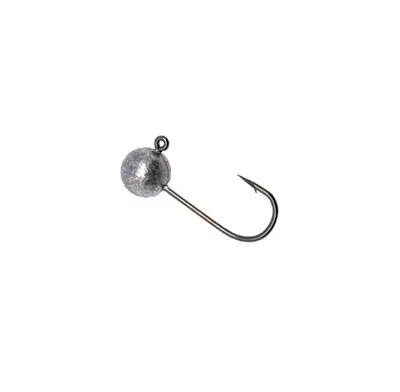
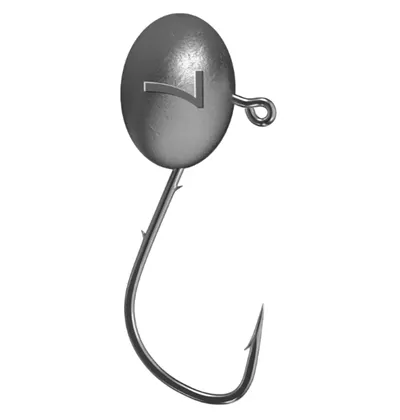
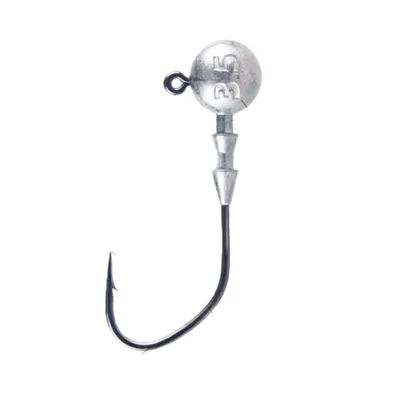
Round Ball Shape Metal Lead Head Jig Hook, Fish Head Shape Jig Lead Head Fishing Hooks