


What is Fishing Lure?
In recreational fishing (like we do), a lure is an object that is attached to the end of the fishing line and is designed to look and move like prey.
The lure’s aim is to attract fish by using movement, vibrations, and color to entice them to bite the hook. Lures have one or more single, double, or treble hooks, which are used to catch fish as they attack the lure.
Lures are usually used in conjunction with a fishing rod and reel. A lure is continuously cast out and retrieved when it is used for casting.
Why Choose Us
High-Quality
The company has a reputation for producing high-quality products. Their products have undergone rigorous quality control tests to ensure they meet industry standards and customer satisfaction.
Competitive Price
Despite producing high-quality products, Shanxi Top Industries Co., Ltd. prices their products competitively. Their pricing strategy ensures that customers get value for their money.
Customized services
The company provides excellent customer service. Customers can reach out to the company through various channels, and their prompt response ensures customer satisfaction.
Professional Team
Shanxi Top Industries Co., Ltd. has a team of experienced and professional staff who understand the needs of their customers. Their knowledge and skills ensure customers get the best products and services.


Product Categories

Advantages of Fishing Lure
Attract Fish
Fishing lures are designed to mimic the look, sound, and movement of a live prey that fish typically feed on. This makes them highly effective in catching fish, as they appeal to the fish's instinct to attack anything that looks like food.
01
Versatility
Fishing lures come in a variety of shapes, sizes, and designs. This allows anglers to use them for different types of fish and under various weather and water conditions.
02
Cost-Effective
Fishing lures are a one-time investment that can be used multiple times. With proper care and maintenance, they can last for many fishing trips, making them a cost-effective alternative to live bait.
03
Less Messy
Using lures reduces the need for live bait, which can be messy and unpleasant to handle. With fishing lures, anglers can avoid dealing with the hassle of handling live bait.
04
Conservation
Overfishing is a significant concern in many water bodies worldwide. Using fishing lures instead of live bait can help reduce the number of fish taken out of the water, contributing to conservation efforts.
05
Steps To Make Fishing Lure

Start Designing And Cutting The Fishing Baits
Before you begin with the design, you need to choose the type of material and here we will be opting for wood. Many anglers who create their lures primarily use pine or balsa. These softwoods are incredibly easy to work with and don’t require any heavy-duty materials to cut and shape them.
Design A Lure Over 7.6 to 15.2 cm Long For Bigger Fish
Make sure the chosen lure size goes with the type of fish you are looking forward to catching. Typically, crankbait and standard plugs are less than 6 inches in length. Though the thickness varies. Plugs for bigger fish such as muskellunge can be even 10 inches long.


Diving Bait To Catch Fish In Deep Water
Diving baits commonly feature a lip that lets them sink when retrieved. Therefore, make sure to take more caution. Though carving the lip doesn’t need any sort of additional work. A lip is more of a duckbill bent downward at the end of the lure. These traps need to be both stronger and heavier and can be used in any kind of water.
Use A Scroll Saw Or Band Saw To Cut Along The Pattern Lines.
While using a carving knife at this point, the saw makes for a quick option. Band and scroll saws are frequently used for cutting small and irregular shapes such as a lure. Plan to keep the bait bigger than you want to have the end-product according to your requirements. This is an important technique to leave a margin for errors.


Pick Up The Drill
Before you poke holes into the designed shape, remember to mark out those points on the wood. Some of the fundamental holes are eyelet screws, ballast weight, and the rattle, and then carefully drill it. You may prefer using a micro drill to work on the thin and fine piece of wood.
Practice Some Artistry
As soon as you are done with holes, you will want to prepare your artistic mind. It’s time to add some colors and create your very own fish lure. Remember painting a bait vary significantly from painting a home item.
Since you will use the lure in lake water which means you wouldn’t want the paint to remove from the bait, especially in the mid of your fishing trip. Apply a clear sealer to the fishing lure and prepare it for painting. Preferably choose a clear product such as an epoxy sealer which can be used as a base coat.


Connect Hooks To The Screw Using Split Rings
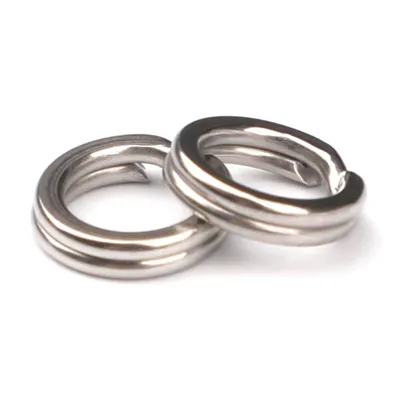
Thread a triple hook onto every end of the split ring. Next, thread the split rings onto the hindmost and bottom screw eyes. You can utilize split-ting pliers to wrench open the split rings which secure them to the hooks and screws.
Split rings are essentially open coils that are frequently used for keyrings. For instance, your house keys work similarly. You can secure the hooks without even using split rings by simply open their eyelets with a couple of pliers.
Application of Fishing Lure
Freshwater fishing
Fishing lures are extensively used in freshwater fishing. Various types of freshwater fishing lures such as spinners, jigs, plugs, and spoons are used to catch fish such as bass, trout, and walleye.
01
Saltwater fishing
Saltwater fishing lures are specially designed to withstand the harsh marine environment. These lures are used to catch fish such as tuna, salmon, and marlin.
02
Fly Fishing
In fly fishing, artificial flies or lures are used to fool the fish into biting the hook. These flies can imitate aquatic insects, baitfish, or even small animals.
03
Ice fishing
During ice fishing, a jig or spoon is lowered through a hole in the ice to catch fish. These lures are specifically designed for ice fishing and are made to sink slower in colder water temperatures.
04
Surf fishing
Surf fishing lures are used to catch fish in the waves or offshore. These lures can imitate baitfish or larger prey species and are usually fished using a spinning rod or baitcasting reel.
05

1. Plastic: This is the most common material used to make fishing lures. It is lightweight, durable, and can be molded into a wide variety of shapes and colors.
2. Metal: Fishing lures made of metal are usually heavier than plastic lures. They are often used for deep-sea fishing or trolling because of their weight and ability to sink quickly.
3. Wood: Wooden lures are popular among fly fishermen because they are lightweight and can be crafted to mimic the look and movement of real insects.
4. Rubber: Soft plastic lures are often used for bass fishing because they can be rigged in different ways to create different swimming patterns.
5. Feathers: Some fishing lures are made with feathers to mimic the appearance of insects or small animals, attracting fish that feed on them.
6. Glass: Glass lures are usually handcrafted and are beautiful to look at. They are not commonly used for fishing, but more so for aesthetic appeal.
7. Natural materials: Some fishing lures are made of natural materials such as fur, hair, or feathers to mimic the movement of real prey. Overall, the choice of material for a fishing lure depends on the type of fish being caught, the fishing method, and personal preference.
1. Body: The main body of the lure, which can be made of various materials such as plastic, wood, or metal.
2. Hooks: Hooks are attached to the body of the lure and are used to catch the fish.
3. Eyes: The eyes on the lure are usually painted or molded and provide a visual stimulus to attract fish.
4. Skirts: Many lures come with skirts made of silicone, rubber or feathers to provide a lifelike movement in the water.
5. Blades: Blades are often attached to a fishing lure and create vibrations and flash in the water.
6. Weight: The weight of the lure determines how deep it sinks and affects the motion of the lure.
7. Line tie: The line tie is the point on the lure where the fishing line is attached.
8. Rattles: Some lures contain rattles to produce noise and attract fish.
Types of Fishing Lure
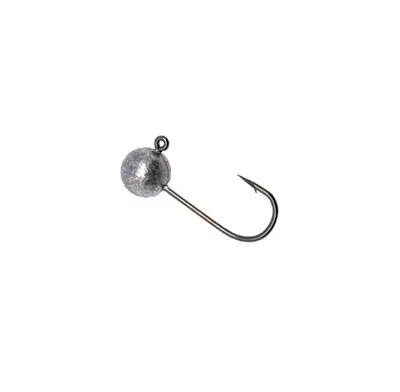
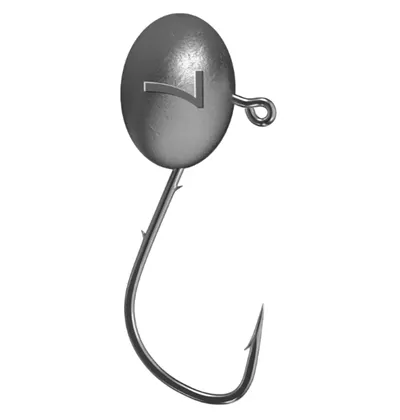
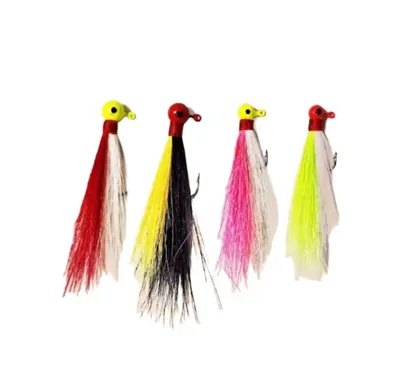
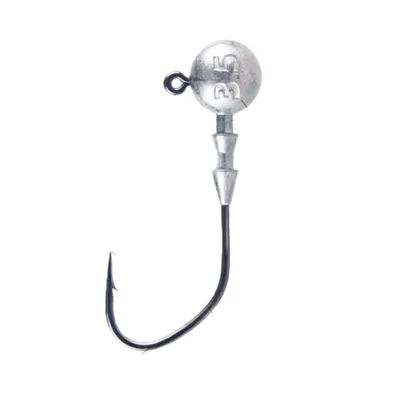
Jigs: One of the oldest and most popular types of fishing lures, jigs are hooks with rounded or oval metallic heads attached below the eye. The metalheads help a jig sink deep into the water for depth fishing. A skirt around the hook usually camouflages the jig. The skirt is made of fibrous material, like deer hair or bucktail. It may be scented or additional bait attached to it, to attract more fish.
Spoons: Another old and very popular lure is the spoons. As the name suggests, these are oval-shaped metal pieces, like the concave part of a spoon, attached to a hook. Spoons make a wobbling effect underwater and imitate injured or dying baitfish. In addition to their wobbling action and water displacement, the flashy or colorful surface of a spoon attracts fish from afar.Spoon lures can target many varieties of fish by encouraging feeding or aggressive territorial behavior among fish.
Crankbaits or plugs: Plugs or crankbaits are made of hard materials like wood and plastic, molded like baitfish. These usually carry two or three treble hooks underneath. For diving underwater, hard plastic lips are attached to the nose of most crankbaits. These lips help the lures make a diving motion when dragged or ripped in water.
Spinners and buzz baits: A spinner usually has a spinning or rolling metallic blade on one side and a hook or treble hooks on the other. The hook might be dressed with a skirt or bug tail, which may be scented for additional attraction.
When dragged on the water surface or near the surface, the spinner rolls around to displace water and cause commotion for attracting fish.
Designed along the same lines are the buzz baits. These, instead of a rollerblade, carry a metallic buzzer that makes noise when dragged through the water.
Swimbaits: Swimbaits mimic swimming varieties of baitfish, usually fish replicas with a hook on top. This lures can have two or more joints, or a subtle body movement to them, to make them appear as natural as possible. These, when dragged in the water, make natural swimming motion and are hard for targeted fish to differentiate from their natural prey.
Soft plastics: Soft plastics imitate fresh or live bait. These are soft and subtle plastic pieces molded into fish prey like worms, lizards, and frogs.
Soft plastics can be used for surface fishing as well as on another lure like the jig for bottom fishing. In the water, these make natural movements in tandem with the flow of the currents and appear an easy meal to hungry fish.
Flies: During fly-fishing, anglers use artificial flies as lures to catch fish near the surface. Flies are made of fibrous material and appear like real ones to the fish. Carrying a hidden hook, these can be angled near the surface or suspended into the water up to a few feet.
What’s The Right Way To Clean My Lures?
Step 1: Dry Off Your Lures
Before putting your lures in the tackle box, they must be completely dry. If salt-fishing, the lure must first be washed off with fresh water. This is an important step that cannot be ignored. After washing, take a rag and dry the lure thoroughly. Never put a wet lure into a tackle box. Store your lures in separate compartments within the tackle box. Never store lures beside rusting metals.
Step 2: Remove Hooks And Split Rings
We need to give our lures a thorough inspection. Do this once you are at home. Working with lures can be dangerous. It is best to remove all hooks before cleaning the lure.
Remove the hooks and split ring using the split ring pliers. Examine the hooks and split rings. If they are rusting, then replace them. If the hooks and split rings show no sign of wear, use the hook file to sharpen the hooks.
Step 3: Rinse Using Warm Water
Rinse the lure in the kitchen sink under warm water. This will help to remove any sand or grit. This should be done prior to scrubbing. If you scrub before rinsing, you could cause irreparable damage to the lure. The paint and clearcoat can become scratched from particles of grit.
After an initial rinse, examine the lure. Check for any remaining particles of grit.
Step 4: Clean The Lure With Soap
Once you are satisfied that no grit remains, it’s time to give the lure a deep clean. I like to use baby soap as it is less harsh than dish soap. Wet the rag under warm water and apply soap. Gently rub the lure to remove any grime. Rinse the lure and check it using your fingers. If any grime remains, repeat the process.
Step 5: Clean With A Toothbrush
Wet the toothbrush and apply soap. Use the toothbrush to reach hard to get to areas. Be gentle, as you could cause damage to the lure. Clean areas using a circular movement. Rinse off the soap and inspect the lure. If there is still dirt or grime, repeat the process.
Step 6: Dry Off And Reassemble
Use a dry rag to wipe off and dry the lure. Make sure to get into all the nooks and crannies and get rid of any moisture. Reassemble the lure with the split rings and hooks. I like to finish with a small amount of beeswax. Beeswax is a natural product and, once buffed, will give the lure a nice sheen.
Step 7: Remove Rust And Corrosion
Sometimes rust just won’t budge, or you have ignored the lure for too long. Don’t worry, though; we can sort that out. After removing the hooks and split rings, we are going to emerge the lure in a mixture of vinegar and water. Mix one part vinegar with two parts water.
Step 8: Feathered Lures
Always keep the packaging that feathered lures came in. These will keep out bugs that can eat them. When you are finished fishing, rinse off and dry the lure. Once the lure is completely dry, return it to the packaging. Store the lure in a tackle box in an area without humidity.
Certificate


Our Factory
We dedicate to provide our customer with top design, top quality, top shipping and top service, and we always fighting for it. Choose us, choose our TOPIND Item. At first you can get good quality products, secondly you can get a competitive price, third we can provide O E M and O D M service support, you can customize yours logo and brand, forth fast and economic shipping method, and 7 x 24 hour after- sales service.


FAQ
Q: What is a fishing lure called?
Q: How do I choose a good fishing lure?
Q: Do I use a sinker with a lure?
Q: What is the most common fishing lure?
Q: Are lures better than bait?
Q: Do fish see hooks?
Q: What goes first hook or sinker?
Q: What color lure is best for fishing?
Q: What color lures are fish most attracted to?
Q: What lures are best for bass?
Q: Can you use a lure with a bobber?
Q: Do fish learn to avoid lures?
Q: What is the secret to fishing?
Q: Is peanut butter good fish bait?
Q: What is the best shore lure?
Q: Does lure color really matter?
Q: Do you need a swivel for fishing?
Q: Do fake worms work for fishing?
Q: How do I choose the right lure?
Q: How do I care for my fishing lures?
We're well-known as one of the leading fishing lure manufacturers in China. If you're going to buy cheap fishing lure in stock, welcome to get free sample and discount information from our factory. Also, customized service is available.
Metal Fishing Lure, Soft Red Worm Fishy Bait, Lead Fishing Lure