


What is Fishing Line?
Fishing line is a crucial piece of gear that rarely gets thought about, but it is the lifeline between angler and fish. Anglers are connected to their bait—and hopefully a fish—by this line, which means making the right choice is literally make or break.
Fishing line is long threaded material (usually nylon, silk or wire,) used with a fishing rod to catch and reel in fish. It is what is cast from the rod, flies through the air, and ultimately lands down into the depths of the water.
Why Choose Us
High-Quality
The company has a reputation for producing high-quality products. Their products have undergone rigorous quality control tests to ensure they meet industry standards and customer satisfaction.
Competitive Price
Despite producing high-quality products, Shanxi Top Industries Co., Ltd. prices their products competitively. Their pricing strategy ensures that customers get value for their money.
Customized services
The company provides excellent customer service. Customers can reach out to the company through various channels, and their prompt response ensures customer satisfaction.
Professional Team
Shanxi Top Industries Co., Ltd. has a team of experienced and professional staff who understand the needs of their customers. Their knowledge and skills ensure customers get the best products and services.


Product Categories

Advantages of Fishing Line
Memory
When you pull line off your spool, does it hang straight or curl up? That’s memory. Line with a lot of memory tends to kink or knot as you reel in. It also messes with your presentation and makes it harder to cast far.
Stretch
Stretchy line keeps tension better as you fight a fish. It also takes some of the punch out of big head shakes. However, stretch gives you less precision and feedback, and makes setting the hook tougher.
Shock Strength
Another advantage of having some stretch is that your line is less likely to snap under sudden pressure. This is shock or impact strength, and it stops hard-hitting fish from breaking you off.
Abrasion Resistance
Ever get cut off by rocks while fishing? You need gear with more abrasion resistance. All modern line is pretty abrasion resistant, but more high-end materials tend to handle scratches better.
Buoyancy
Some line floats in the water, some sinks. They’re both useful in different situations. Floating or buoyant line is great for topwater fishing. Sinking line stays taut in the water, giving you more precision at depth.
Visibility
If a fish sees your line, it can get spooked and put off biting. To avoid this, people usually use low-visibility line in clear water. You can also use colored line to match the depth and shade of water you’re fishing.
Fishing line maintenance

Check your guidelines
This is important for both spin poles and traditional poles. Even the smallest groove or notch in a fishing guide can instantly scratch or break your main line. Inspect your guide before and after each trip and be sure to avoid bad habits such as placing the rod on the deck, rolling the hook into the tip of the rod, or placing the hook or bait on the part of the guide that contacts the line.
Check your clips
Kite clamps and outrigger clamps can be a major cause of line damage. After extensive use, monofilament fishing line can actually develop grooves in the metal arms of the leg clamps from constant friction. Check the leg clamps regularly to make sure the release arms are smooth. Also, always be aware of clip packaging! Whether you are sending a kite bait or removing seaweed from a troll bait, always be careful not to get your line tangled in the kite clip or outrigger clip. These tangles can cause fraying of the thread.


Avoid backlash at all costs
Gaps are a major way to damage production lines. At worst, the gap can cause damage to the main line deep in the spool. For example, when kite fishing, a severe bounce can cause you to lose hundreds of yards of line. After a couple of bounces, you may need to rewrap a line that was meant to last several months. To avoid rebound, novice anglers should keep the clicker on while adjusting the bait. Also, make sure the angler is careful not to hit the rod in the free line when fighting the fish. This often happens when novice anglers get too excited when fighting a big fish. Be sure to calm the angler and make sure they don't knock the reel into the free spool with their wrist in the middle of the crank. This situation occurs frequently during charter flights and can only be avoided through communication and practice.
Elongate the lines
After encountering a school of fish or at the end of each trip, cut off all terminal gear and run with the line behind the boat. If you let out about 100 yards, the line will stretch and all the twisting will lessen. This is especially important for spin rods. Severe wire twisting may cause the wire to break under much less pressure than usual. Additionally, wire distortion can cause casting difficulties.


Fishing rod if necessary
In most fishing styles, the top 100 feet of line usually take the majority of the damage. For example, when trolling, we like to use 25-pound monofilament. However, we have noticed that the 50-foot top shot of 50-pound monofilament helps reduce abuse from wire crossing during multiple splices. Novice anglers are slower and therefore can use heavier line as a buffer against angler mistakes.
Don’t grow so long that it’s attached to a 50-foot line
Most of our rods have 400-800 yards of line. That being said, the top few feet usually take the most abuse. This is the line most susceptible to twisting, wear, exposure to UV rays, etc. It is important to scrap the top line with relative frequency, even if it appears to be in good shape. Your string is only as strong as its weakest link. It’s better to have 700 yards of good line than to have 800 yards of crap line in the first 50 feet. Be sure to discard the top layer as needed until it is time to rewind.


Always change lines before tournament fishing
If you're going to play in big stakes tournaments, it's crucial to start on a new line. You don’t want your million dollar fish to have a line failure! Better safe than sorry.
Application of Fishing Lure
Freshwater fishing
Fishing lures are extensively used in freshwater fishing. Various types of freshwater fishing lures such as spinners, jigs, plugs, and spoons are used to catch fish such as bass, trout, and walleye.
01
Saltwater fishing
Saltwater fishing lures are specially designed to withstand the harsh marine environment. These lures are used to catch fish such as tuna, salmon, and marlin.
02
Fly Fishing
In fly fishing, artificial flies or lures are used to fool the fish into biting the hook. These flies can imitate aquatic insects, baitfish, or even small animals.
03
Ice fishing
During ice fishing, a jig or spoon is lowered through a hole in the ice to catch fish. These lures are specifically designed for ice fishing and are made to sink slower in colder water temperatures.
04
Surf fishing
Surf fishing lures are used to catch fish in the waves or offshore. These lures can imitate baitfish or larger prey species and are usually fished using a spinning rod or baitcasting reel.
05

1. Material: Fishing lines can be made from various materials including monofilament, fluorocarbon, braid, and wire.
2. Diameter: This refers to the thickness of the line, and it affects how easily the line can be seen by fish and how much strength it has.
3. Strength: This is the amount of weight that a fishing line can hold before it breaks. It is measured in pounds.
4. Stretch: This refers to how much the line can stretch when under stress. Some lines have high stretch, which can help absorb shock when fighting a fish, while others have low stretch for better sensitivity.
5. Color: Fishing lines come in different colors, including clear, green, blue, yellow, red, and more. The color can affect how easily fish can see the line.
6. Memory: This refers to the tendency of the line to hold a certain shape or memory after being spooled on a reel. High memory can cause the line to tangle or coil.
7. Abrasion resistance: This is the line's ability to resist damage from rocks, snags, and other underwater debris.
8. Sink rate: This refers to how quickly the line sinks in the water, with some lines sinking faster than others.
1. Monofilament - a single strand of nylon or other synthetic material that is widely used and affordable.
2. Fluorocarbon - a nearly invisible line that sinks rapidly and is less visible to fish.
3. Braided - made of several strands of synthetic material woven together for superior strength, sensitivity, and abrasion resistance.
4. Wire - typically made of stainless steel, used mainly for toothy fish or saltwater fishing.
5. Dacron - a synthetic material with low stretch and good abrasion resistance, often used for trolling or deep-sea fishing.
6. Silk - traditional material used for fly fishing.
7. Nanofil - a new material made of gel-spun polyethylene, that's ultra-thin, lightweight, and strong.
8. Lead Core - a line with a lead core running through the center, ideal for deep trolling.

Application of Fishing Line
Kite string: Fishing line can be used as a kite string as it is strong enough to hold the kite and can withstand the wind pressure.
Jewelry making: Some creative individuals use fishing lines for beading and making light jewelry such as bracelets, anklets, and necklaces.
Tinkering: Fishing line can be used for various tinkering projects like building miniatures or attaching small objects together.
Camping and hiking: Fishing line is useful as a makeshift clothesline, food bag hanger, or for creating shelter in camping and hiking.
Sewing: Thin fishing lines are useful in sewing leather, canvas, or other heavy-duty fabrics.
Crafts: Fishing line is also used in crafting activities such as creating 3D shapes, mobiles, or hanging decorations for parties or events.
Gardening: Fishing line can help tie up delicate plants to stakes or help support growth when plants need a little extra assistance.
How to Choose the Right Fishing Line Color
When it comes to fishing line there are a lot of choices. Manufacturers tout various colors of fishing line as less detectable to fish than others. But what is the right type and color of line to use?
Fluorocarbon:Clear fluorocarbon line is reportedly the most invisible line on the market, according to manufacturers. This type of line is said to have the same light refraction properties of water, making it virtually invisible to fish. It’s also one of the most versatile as it retains its near-invisibility in ultra-clear water as well as murky water.
Pink Fluorocarbon:It’s hard to imagine a line could be better than invisible, but manufacturers claim that a pink tinted fluorocarbon does just that. Scientific studies and the experience of divers shows that pink loses its color at various depths as it works to blend with the water and become invisible to fish.
Monofilament:The most popular line among anglers has long been monofilament line, but many types of line are tinted with various colors. Here is a breakdown of popular monofilament colors and what they are best for.
Yellow:The main advantage to yellow line is that anglers can see it above the water and can better detect when you get a bite. This line choice is best in murky waters because it also makes the line a bit more visible underwater.
Red:Red, like pink, is also said to be invisible underwater at depth. But some divers say red actually looks black underwater, so that’s not good. Those who red hooks believe the red attracts fish because it looks like blood, so it’s not quite clear whether red is visible or not.
Green:When it comes to blending into the water and yet having a color-tinted line to see above the surface, green is a great choice. Most of the waters anglers fish are tinted with a bit of green so the line acts almost like camouflage, blending into the water.
Components of Fishing Line
Craftsmanship fishing line refers to high-quality fishing lines that are carefully manufactured using advanced techniques and materials. These lines are designed to provide anglers with exceptional strength, durability, and sensitivity, so they can catch more fish with greater ease and precision. Craftsmanship lines are typically made from premium materials like nylon, fluorocarbon, and braided fibers, which are stronger and more resistant to abrasion than cheaper lines.
The most important aspects of craftsmanship fishing line are its strength and diameter. The stronger the line, the more weight it can handle without breaking, which is crucial when fishing for larger species. The diameter of the line is also important because it affects the line's casting distance and sensitivity. Thinner lines are more sensitive and can cast farther, but they are also more prone to breakage, especially when fighting a strong fish.
Craftsmanship fishing lines may also have specialized coatings that improve their performance. Craftsmanship fishing lines are designed to meet the needs of serious anglers who want to maximize their fishing success. By providing superior strength, sensitivity, and durability, these lines allow anglers to fish with confidence and precision, no matter what conditions they encounter.
Types of Fishing Line
Monofilament Fishing LineMonofilament Fishing Line
Monofilament fishing line, or ‘‘mono’’ is the most basic and most common fishing line out there. Made out of nylon extruded in a single, continuous filament and left untwisted, monofilament fishing line is a good all-around line that is smooth and a bit stretchy. It also floats, which can be an advantage or disadvantage, depending on your application. Pre-spooled reels are usually spooled with monofilament.
Braided Fishing LineBraided Fishing Line
Braided fishing line, also made of synthetic plastic fibers such as nylon or more specialty materials like Dacron, see below), is stronger than monofilament line and is therefore more common for fishing larger species. It also has no stretch, which allows anglers to feel every move the fish makes on the end of their line.


Fluorocarbon Fishing Line
Like monofilament, fluorocarbon fishing line is also extruded in a single strand similar, but fluorocarbon molecules are more tightly packed, so the line is denser and noticeably heavier by size than nylon. Fluorocarbon refers to a broad family of compounds, including organics comprised of fluorine, chlorine and carbon, along with synthetics made from hydrocarbons. However, when it comes to fishing line, we’re looking at a material associated with polyvinylidene difluoride (PVDF).
Wire Fishing LineStainless Steel Fishing Line
Wire, either single strand or braided, can also be used as fishing line. Wire fishing line can be especially helpful in catching fish when used as a leader material for fishing toothy fish like mackerel and tuna. Wire is also used during trolling when reaching deeper depths is important. When fishing with wire, you’ll require specialized, hardened spools for your reels.
Certificate


Our Factory
We dedicate to provide our customer with top design, top quality, top shipping and top service, and we always fighting for it. Choose us, choose our TOPIND Item. At first you can get good quality products, secondly you can get a competitive price, third we can provide O E M and O D M service support, you can customize yours logo and brand, forth fast and economic shipping method, and 7 x 24 hour after- sales service.


FAQ
Q: What is a fishing line used for?
Q: How often should I replace my fishing line?
Q: What's the difference between fishing line and braid?
Q: Is fishing line very strong?
Q: What are the three types of fishing line?
Q: What color fishing line is best?
Q: What is the best fishing line for beginners?
Q: What weakens fishing line?
Q: Do fish avoid braided line?
Q: Why can't you use braided fishing line?
Q: What color fishing line is invisible to fish?
Q: Is it OK to use colored fishing line?
Q: Does fishing line go bad?
Q: How do I know if my fishing line is good?
Q: What pound fishing line to use?
Q: What fishing line sinks fastest?
Q: What fishing line doesn't stretch?
Q: How do you fish simple?
Q: What is the green fishing line called?
Q: Should I use braid or mono?
We're well-known as one of the leading fishing line manufacturers in China. If you're going to buy cheap fishing line in stock, welcome to get free sample and discount information from our factory. Also, customized service is available.
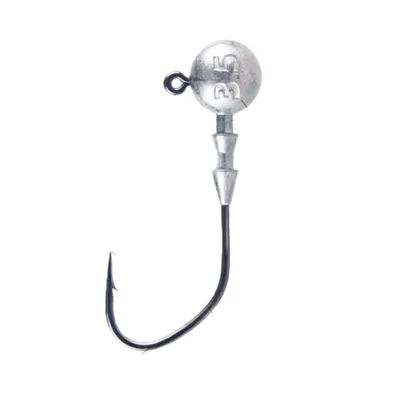
Soft 3 8cm 0 6g Lead Head Hook Lure, 304 Stainless Steel GB91 Cotter Pin, Soft 8cm 2 5gSimulation Lure