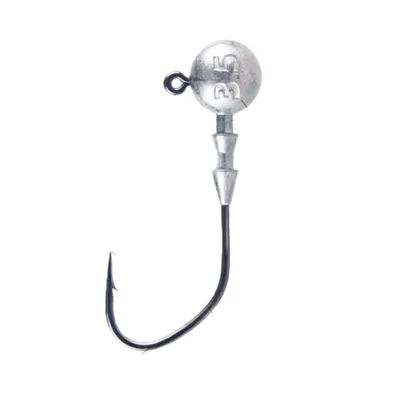
Fishing nets have been used for centuries to catch fish and other aquatic creatures. They are made from a variety of materials, including natural fibers like cotton and hemp, as well as synthetic materials like nylon and polyethylene. Fishing nets can be used in a variety of fishing techniques, including trawling, seining, and gillnetting.
The primary function of a fishing net is to trap fish in its netting. The cellular-copying-net is typically set up in areas where fish are known to congregate, such as riverbanks, bays, and near reefs. The mesh size of the netting varies depending on the type of fish being targeted. Additionally, the netting may be designed to be buoyant or weighted, depending on the fishing technique used.
One of the key features of fishing nets is their versatility. Fishing nets can be used in a variety of settings, from shallow rivers and streams to deep-sea fishing grounds. Cellular-copying-net can be set up in open water or near the shore, and can be used to catch a wide range of fish species.
Another important feature of fishing nets is their durability. A well-made cellular-copying-net can last for years, even with heavy use. Modern synthetic materials like nylon are particularly durable, and can withstand exposure to saltwater and harsh weather conditions.
Fishing nets can also be designed to minimize the impact on the environment. For example, some types of fishing nets are designed to allow smaller fish to escape while retaining larger fish. This helps to maintain healthy fish populations and promote sustainable fishing practices.